 By Zeebaars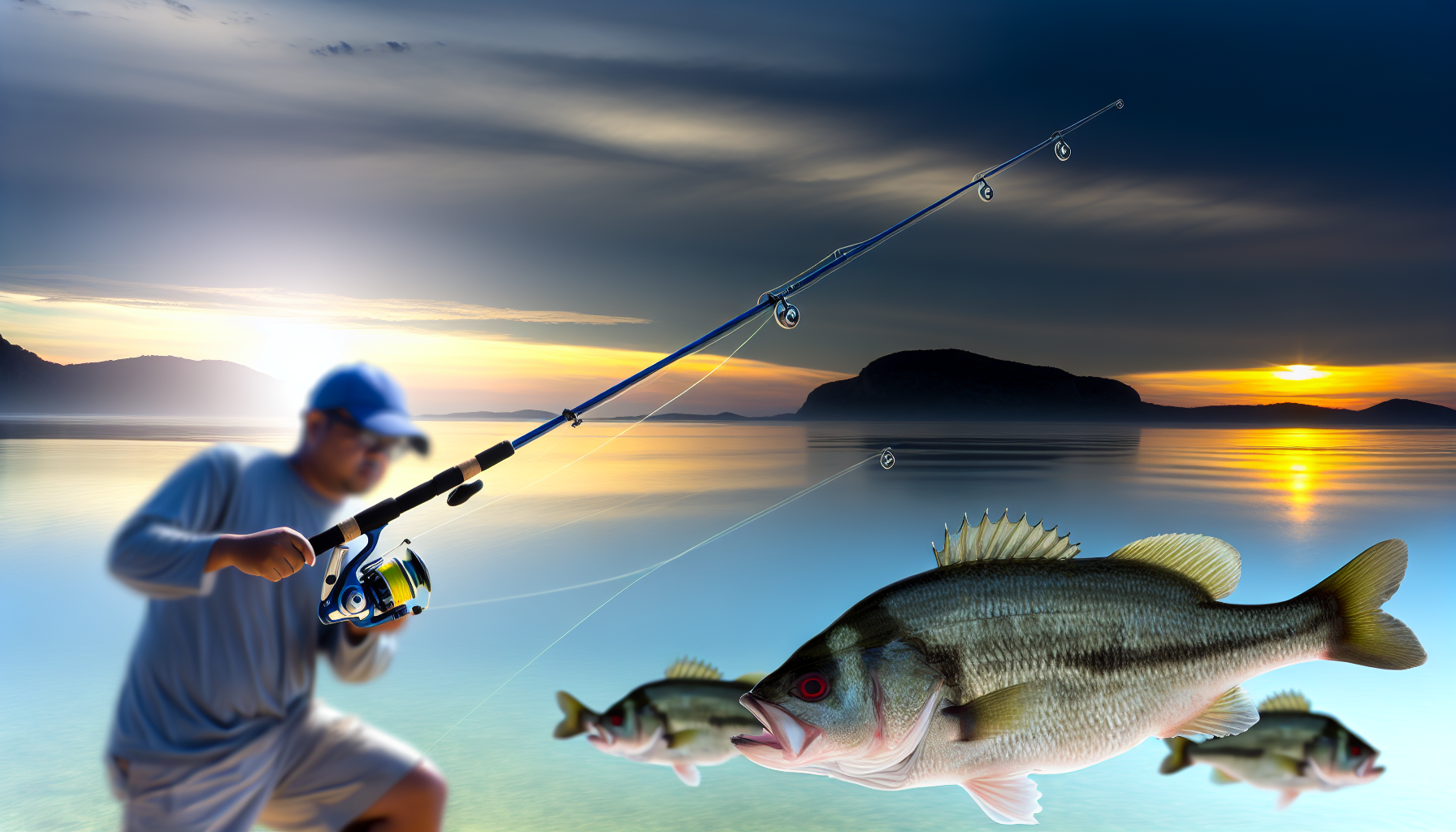
Seabass fishing as a sport combines skill, patience, and a love for nature. Engaging in this thrilling activity not only provides an exceptional fishing experience but also promotes the importance of sustainable fishing practices. This guide delves into techniques, equipment, conservation efforts, and the community surrounding seabass fishing, providing both beginners and experienced anglers valuable insights.
Understanding Seabass Species
Seabass comprises several species, primarily the European seabass and striped bass, both thriving in diverse habitats like coastal waters and estuaries. Their migratory patterns vary seasonally, influencing local fishing dynamics and targeting practices among sport fishermen. Striped bass are particularly sought after for their aggressive behavior and strong fighting ability, while European seabass is prized for its culinary qualities and aesthetic appeal, making them popular catches for fishing enthusiasts. Each species’ unique characteristics inform specific strategies in sport fishing.
Essential Equipment for Seabass Fishing
Successful seabass fishing relies on the right gear. For rods, choose medium to medium-heavy action, around 7-8 feet for versatility. Pair it with spinning reels that have smooth drag systems, typically in the 2500-4000 size range. Use strong braided lines, around 20-30 lb test, for sensitivity and durability.
Opt for fluorocarbon leaders of 20-30 lb test to reduce visibility. When selecting lures, consider soft plastics, jigs, and topwater plugs specifically designed for seabass. Regularly inspect your gear for wear and tear, replacing damaged components promptly to ensure optimal performance on the water.
Effective Techniques for Catching Seabass
To effectively catch seabass, consider various techniques:
**Trolling** involves dragging lures behind a moving boat; use medium action rods paired with baitcasting reels. Ideal at dawn and dusk. Focus on underwater structures where seabass often hide.
**Casting** requires precision; use lightweight jigs or topwater lures. Stand at the shoreline or skiff, aiming for surf breaks or rocky outcroppings. Mid-tide periods are generally most productive, as seabass are active.
**Bottom fishing** is effective with heavy sinkers; drop live bait near the seafloor. Select deeper waters near reefs or wrecks for best results. Early morning and late afternoon are peak times, maximizing chances of a catch.
The Role of Tides and Weather in Seabass Fishing
Tides and weather significantly influence seabass behavior, impacting their feeding patterns and location. Notably, **incoming tides** can enhance feeding activity, while **clear, calm conditions** may lead to reduced catches. Anglers should monitor these factors for optimal timing.
Understanding **tide cycles**—particularly the strength of current during high and low tide—can reveal prime fishing windows. Specific weather conditions, such as **overcast skies** or light rain, often stimulate feeding; therefore, observing marine forecasts can enhance success rates significantly.
Conservation and Sustainable Fishing Practices
Conservation is vital for sustaining seabass populations, ensuring that future generations can enjoy sport fishing. Anglers can adopt sustainable practices, such as catch and release, minimizing impact on fish stocks. Regulations and organizations play crucial roles in preserving marine ecosystems, fostering a collaborative effort towards sustainability.
The Community of Seabass Fishing Enthusiasts
The seabass fishing community thrives on shared passions and collective experiences. From local fishing clubs to vibrant social media groups, anglers forge connections, trade tips, and celebrate successful catches. Stories of collaboration enhance camaraderie, driving collective efforts in conservation initiatives, fostering a unified mission for responsible fishing practices. Events such as tournaments and fishing fairs cultivate a spirit of friendship, reinforcing commitment to sustainable practices and marine habitat protection. Ultimately, the bonds formed through seabass fishing create a crucial support network, ensuring a vibrant future for both the sport and the species.
Future Trends in Sport Fishing for Seabass
As technology advances, anglers will increasingly use eco-friendly gear, such as biodegradable lures and solar-powered gadgets. Moreover, evolving regulations will promote sustainable practices, ensuring seabass populations thrive while fostering a conservation-minded community dedicated to preserving marine ecosystems for future generations.
Conclusions
In summary, sport fishing for seabass is an enriching activity that fosters a deep connection to nature and emphasizes sustainable practices. Through understanding effective techniques and supporting local conservation efforts, anglers can ensure that future generations will also enjoy this exciting sport. Embrace the challenge and celebrate the thrill of catching seabass responsibly.