 By Zeebaars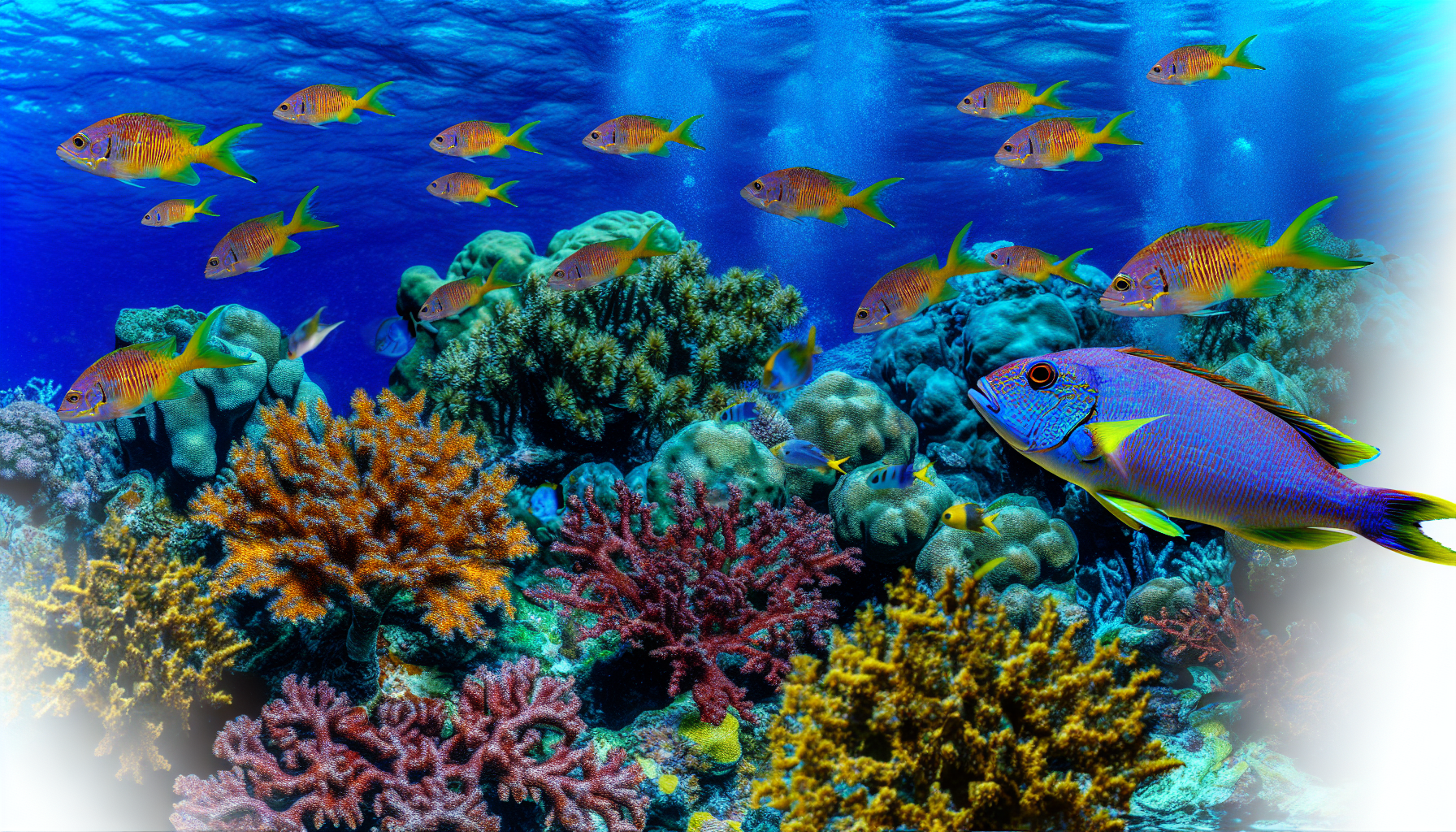
Marine life holds countless secrets, from the vibrant ecosystems of coral reefs to the mysterious depths of the ocean. This article delves into the diverse forms of marine organisms, their habitats, and the critical role they play in our planet’s health. Join us as we plunge into the intricate web of life beneath the surface.
The Diversity of Marine Ecosystems
Marine ecosystems are vast and varied, each playing a crucial role in the planet’s biodiversity.
Coral reefs, often referred to as the “rainforests of the sea,” are among the most vibrant environments, providing habitat for countless aquatic species. Composed of calcium carbonate structures built by coral polyps, these reefs support a rich community of organisms. The complex relationships between corals and zooxanthellae—microscopic algae—are vital; the algae perform photosynthesis, supplying energy to corals while residing within their tissues.
Mangroves are another essential marine ecosystem, acting as crucial buffers between land and sea. These salt-tolerant trees thrive in coastal intertidal zones, providing habitats for both terrestrial and marine species. The complex root systems of mangroves stabilize shorelines, reduce erosion, and create nurseries for juvenile fish and crustaceans.
The open ocean, or pelagic zone, hosts a diverse array of organisms, from the smallest plankton to massive whales. Here, species such as tuna and sharks swim in vast, migratory patterns, where they depend on the availability of prey and the ocean’s currents for nutrient distribution.
Deep-sea environments, characterized by extreme pressure and complete darkness, remain largely unexplored. This ecosystem is home to uniquely adapted species, such as bioluminescent jellyfish and deep-sea vent organisms that rely on chemosynthesis, demonstrating nature’s incredible ability to thrive under challenging conditions.
Biodiversity within these ecosystems is not merely a matter of numbers; it is the intricate web of interdependencies that sustains them. Species depend on one another for food, shelter, and reproductive success, illustrating how the loss of one can impact the entire system. The threats facing each ecosystem, from climate change to pollution, underscore the urgency of conservation efforts to preserve these wonders for future generations.
The Importance of Coral Reefs
Coral reefs are among the most productive marine habitats, teeming with life and diversity. Their complex structures are formed by calcium carbonate secreted by corals, resulting in vibrant underwater landscapes. Within this intricate framework, symbiotic relationships flourish, particularly between corals and tiny algae known as zooxanthellae. These algae reside within the coral tissues, providing essential nutrients through photosynthesis while benefiting from the coral’s protective environment.
This partnership is crucial, as the energy produced supports not only the corals but also a multitude of marine species that rely on reefs for food and shelter. A staggering variety of fish, invertebrates, and other organisms find refuge in these biodiverse ecosystems, showcasing a remarkable web of interdependence. Coral reefs are vital nurseries for many fish, significantly contributing to global fish populations and sustenance for communities worldwide.
However, these vibrant ecosystems face dire threats from climate change, overfishing, and pollution, leading to drastic declines in coral health. Rising sea temperatures result in coral bleaching, where stressed corals expel their zooxanthellae, resulting in a loss of color and vital energy sources. Furthermore, ocean acidification affects coral growth, making them more vulnerable.
Conservation efforts are critical to safeguarding these unique marine environments. Initiatives include establishing marine protected areas, restoring damaged reefs through coral farming, and promoting sustainable fishing practices. Raising awareness and engaging local communities in conservation play pivotal roles in ensuring that future generations can explore the wonders that coral reefs hold. By protecting these crucial habitats, we can help maintain the balance of ecosystems that are vital for marine life and human existence alike.
Amazing Adaptations in Marine Life
Among the myriad marvels of marine life, extraordinary adaptations enable survival in diverse aquatic environments. **Bioluminescence**, a phenomenon found in creatures like the anglerfish and deep-sea jellyfish, serves crucial roles, from predation to communication. These organisms possess specialized proteins, allowing them to produce light in the dark depths, attracting prey or deterring predators.
**Camouflage strategies** are brilliantly illustrated by reef fish such as the flounder, which can alter skin coloration and texture to blend seamlessly with their surroundings. This capability enables them to evade hungry predators while hunting for food, such as small crustaceans or plankton.
**Unique physiology** in marine mammals, like dolphins and whales, showcases adaptations to facilitate life in water. Their streamlined bodies enable efficient movement, while specialized lungs allow long dives without immediate surfacing. These adaptations enhance their foraging capabilities in vast oceans.
**The mimic octopus** showcases fascinating mimicry, imitating poisonous species like lionfish, flatfish, and sea snakes, effectively deterring attackers.
These adaptations exemplify the intricate evolutionary processes at play in marine ecosystems, offering insights into survival strategies and the extraordinary resilience of life beneath the waves.
The Impact of Human Activities
Human activities are increasingly jeopardizing the delicate balance of marine ecosystems, resulting in profound impacts on marine life. Overfishing, driven by global demand for seafood, has led to significant declines in fish populations. For instance, the Atlantic cod fishery collapsed in the 1990s due to unsustainable harvesting practices, showcasing the unsustainable pressures humans place on vital resources. The decline of such a keystone species disrupts the entire marine food web, with cascading effects on predator and prey dynamics.
Pollution, particularly plastic waste, has infiltrated our oceans, harming marine organisms through ingestion and entanglement. Sea turtles, for example, often mistake plastic bags for jellyfish, leading to fatal consequences. The Great Pacific Garbage Patch exemplifies how extensive marine pollution can accumulate, posing threats not only to marine life but also to human health via the food chain.
Climate change further exacerbates these issues, contributing to the alarming phenomenon of coral bleaching. The Great Barrier Reef, one of the planet’s richest ecosystems, has experienced significant coral loss as ocean temperatures rise, disrupting habitats that countless marine species depend upon. Studies indicate that increased CO2 levels absorb into oceans, leading to ocean acidification, which weakens shell-forming marine organisms like mollusks and corals.
Addressing these challenges requires comprehensive approaches through sustainable practices. Implementing stricter fishing quotas and engaging in community-supported fisheries can promote healthier fish populations. Reducing plastic use through policies and community education can mitigate pollution impacts. Furthermore, advancing technology for monitoring and reducing carbon footprints in coastal industries may aid in preserving vital marine ecosystems.
Adopting a multi-faceted strategy that combines scientific research, governmental regulation, and local community engagement is paramount for ensuring the sustainability of our oceans. By fostering a culture of environmental stewardship, we can protect the wonders of marine life for generations to come, reinforcing the notion that we are not separate from these ecosystems but integral to their health and resilience.
Conservation Efforts and the Future of the Oceans
Efforts to conserve marine ecosystems involve a multitude of organizations and initiatives focusing on sustainability. Global organizations like the World Wildlife Fund and the Ocean Conservancy play pivotal roles in marine conservation, promoting sustainable fishing practices and habitat restoration efforts. Their initiatives also raise awareness about the critical state of ocean health.
Governments contribute by implementing policies aimed at protecting marine biodiversity, such as the establishment of marine protected areas (MPAs). These designated zones help mitigate human impact, allowing ecosystems to recover and thrive. Effective management of these areas requires collaboration between scientists and policymakers, ensuring that conservation strategies are based on sound research and practical application.
Local communities are integral to conservation efforts, often leading grassroots initiatives that prioritize the health of their marine environments. Their traditional knowledge and vested interest in sustaining local resources often enhance the effectiveness of broader conservation strategies. By involving community members in decision-making processes, initiatives become more culturally relevant and impactful.
Education plays a critical role in fostering a conservation mindset. Programs aimed at schools and local outreach help illustrate the importance of marine ecosystems to broader environmental health. Initiatives that engage the public in citizen science create awareness and encourage active participation in conservation activities. Research and innovation are equally vital, providing new solutions to ongoing challenges like plastic pollution and climate change.
Technological advancements are enhancing conservation efforts, enabling real-time monitoring of marine ecosystems. Satellites, drones, and AI are increasingly used to assess the health of ocean habitats, optimizing enforcement of regulations and bolstering research. The integration of technology in conservation strategies ensures that we remain responsive to emerging challenges, safeguarding ocean resources for future generations.
Ultimately, the collaborative efforts of organizations, governments, and local communities, combined with education, research, and innovation, form a comprehensive approach to marine conservation. Together, they strive to protect the mysteries and wonders of our oceans, enhancing our understanding and appreciation of the life beneath the waves.
Conclusions
Understanding marine life is essential for the preservation of our oceans and the myriad species that inhabit them. By appreciating their complexity and interconnectedness, we can foster conservation efforts and promote sustainable practices. Let us protect these vital ecosystems for future generations to explore and admire.